5 challenges in medicine logistics in hospitals and how to solve them

The logistics of medicines in a hospital is a complex process that involves ordering, storing, dispensing and recording thousands of preparations of different status and method of administration. The efficiency of this system depends on the safety of patients, the efficiency of the work of the staff and the costs of operation of the facility. In practice, however, many hospitals struggle with recurring problems that hinder smooth operation and increase the risk of errors.
According to data from the World Health Organization (WHO), up to 1 in 10 hospitalized patients experience a drug-related error, and about half of these could be avoided through better logistics processes and digital control tools (WHO, Global Patient Safety Challenge on Medication Safety, 2017).
Below are 5 of the most common drug logistics challenges in hospitals and proven ways they can be effectively addressed.
1. Shortages and delays in deliveries
One of the most common problems in hospital drug logistics is unexpected stock shortages. They are often the result of a lack of current consumption data or delays in the procurement process. The consequence may be interruptions in therapy, the need to replace drugs with others or pressure on personnel who have to respond in emergency mode.
Research published in the “American Journal of Health-System Pharmacy” indicates that drug shortages can affect up to 70% of hospitals in a given year, resulting in increased costs and an increased risk of therapeutic errors (Fox et al. AJHP, 2019; DOI: 10.1093/ajhp/zxz113).
Solution:
- Implementation of systems that monitor consumption in real time and automatically generate demand.
- Maintain minimum safety states and alert thresholds.
- Better communication between departments and the hospital pharmacy.
How UnitBox helps:
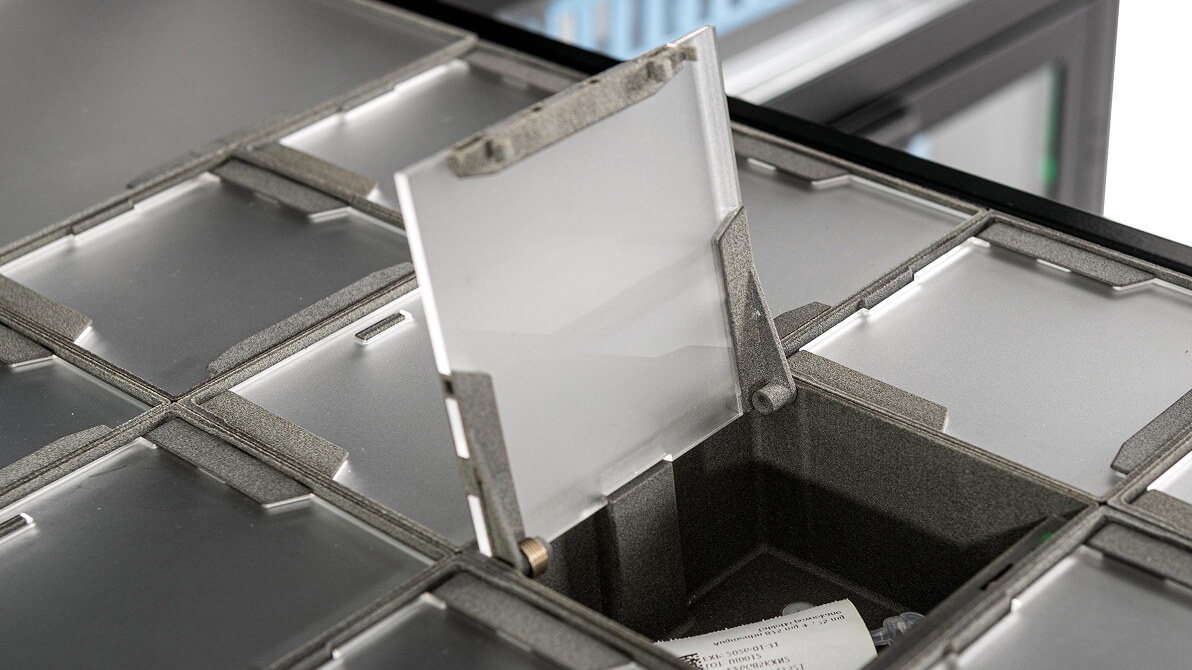
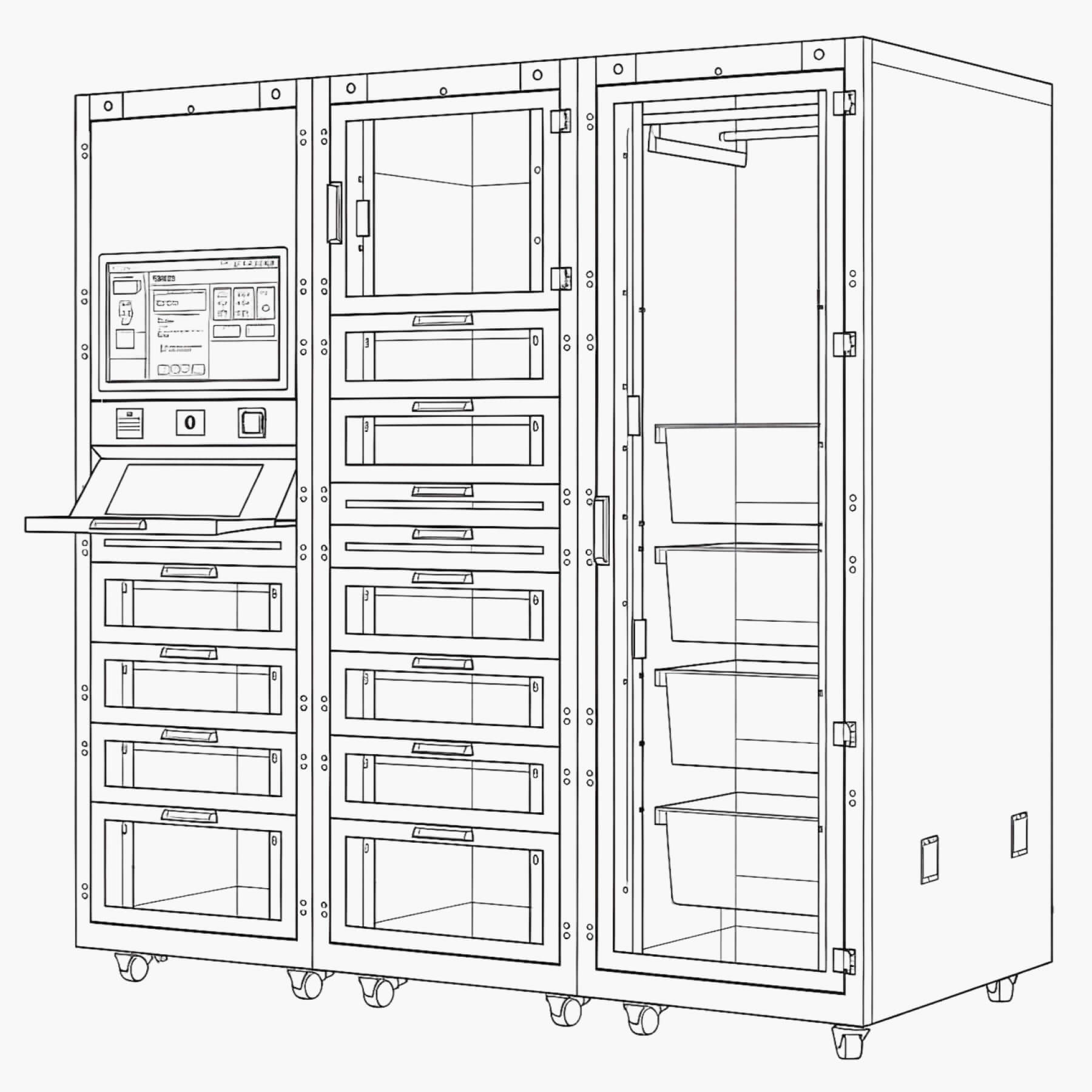
UnitBox automatic ward medicine cabinets constantly monitor the amount of available medicines. When stocks approach the minimum, the system generates a notification or a follow-up order, which avoids shortages and delays.
2. Waste and expired medicines
Many drugs have short expiration dates. When they are not properly rotated, waste and financial losses easily occur. Manual systems often lack information about which batches should be used first.
According to data from the “Journal of Pharmaceutical Policy and Practice”, on average 3— 10% of drug stocks in hospitals expire due to the lack of systems to monitor inventory turnover (Vogler et al., JPPP, 2021).
Solution:
- Introduction of automatic inventory rotation according to the principle of “first expiring, first out”.
- Regular reports of drugs approaching the end of the expiration date.
- Close cooperation between the pharmacy and the departments in the field of supply planning.
How UnitBox helps:
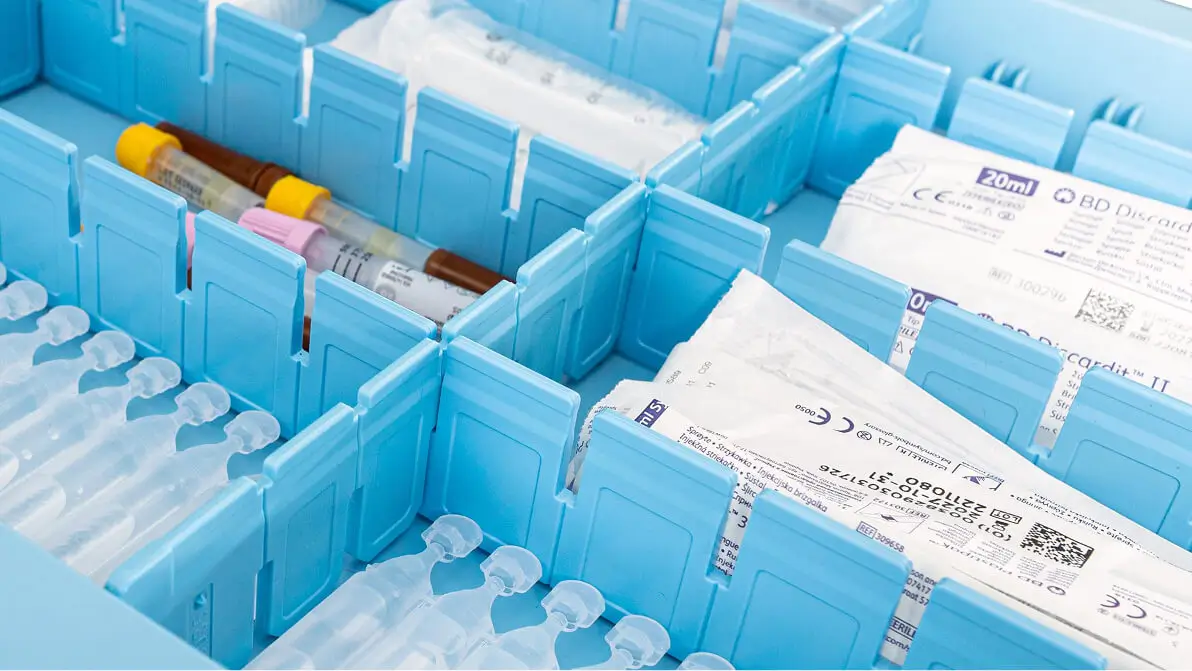
UnitBox tracks batches of drugs along with expiration dates and automatically marks those that require priority of use. This allows you to reduce losses and increase the efficiency of inventory utilization.
3. Theft and missing supplies
Unauthorised access to medicines — especially controlled medicines — is a serious safety concern in many settings. Manual logging and lack of audit trails are conducive to abuse.
According to the ISMP (Institute for Safe Medication Practices, 2020) report, the lack of electronic supervision of controlled medicines is one of the main factors that favor abuse and theft in healthcare facilities.
Solution:
- Introduction of access authorization systems and full registration of each operation.
- Regular checks and audits of stock.
- Limiting the number of people who have access to controlled medicines.
How UnitBox helps:
Each download from the UnitBox requires user authorization (e.g. by card). All operations are saved in the system, which creates a complete access history and allows you to quickly detect irregularities.
4. Manual monitoring and documentation errors
Paper records and manual data entry are a source of numerous errors: errors in quantities, erroneous signatures or incomplete reports. As a result, it is difficult to analyze consumption and plan inventories.
Solution:
- Digitalization of processes and automatic recording of operations in the system.
- Data integration between the pharmacy and departments.
- Introduction of simple, readable reports for staff.
How UnitBox helps:
The system automatically records each collection, return and replenishment of the drug, so the documentation is always up to date and error-free. Data can be analyzed and exported to reports at any time.
5. Integration with hospital systems
A modern hospital uses many systems — from pharmacy to electronic medical records (EHR). The lack of integration between them leads to duplication of data and hinders effective drug management.
Solution:
- Choose solutions that have open interfaces (APIs) and communication standards (e.g. HL7, FHIR).
- Plan the integration already at the implementation stage, not after the fact.
- Unify drug identifiers and units of measurement across systems.
How UnitBox helps:
UnitBox integrates with pharmacy and hospital systems, which allows automatic transfer of data on stocks, orders and releases. This ensures consistency of information and eliminates the need to manually rewrite data.
Conclusions
Logistics of medicines in a hospital is a process with a high degree of complexity, but thanks to modern technologies, it can be effectively managed. Automated branch first aid kits, such as UnitBox, help reduce errors, losses, and delays while providing full control over your medication flow.
According to research published in “BMJ Open Quality”, digital medication management systems—including automated lockers—can reduce logistical and administrative errors by up to 50-60% (Trivedi et al., BMJ Open Quality, 2022).
This is not only to improve the work of the staff, but above all to increase the safety of patients.
Next steps
Wondering which processes in your hospital can be automated in the first place? Contact the UnitBox team and we will prepare a needs analysis and implementation proposal tailored to the specifics of your facility. Safety and efficiency start with good organization — and UnitBox technology can help.